
There’s a reason Jordan Peele fired his agents after losing the bidding war for Zach Cregger’s Weapons, and it isn’t just because the word-of-mouth on this motherfucker is going to bring home the bacon at the box office. Peele’s always favored the big, broad swing in his own work, and it’d make sense that it’d translate to the movies he wants to produce – this is, after all, on-brand, both from a filmmaking perspective and a personal narrative sense. Cregger and Peele were both sketch comedians who, to the surprise of everyone in the audience, got into genre cinema once their era-defining television shows (The Whitest Kids U Know and Key and Peele) ended. Barbarian might not have captured the cultural geist as much as Get Out did, but they’re both fantastic, thoroughly entertaining debuts that double as thesis statements for their careers. Peele makes fantastic fables about the issues of American life in the mold of Larry Cohen and George Romero, while Cregger makes fairy tales, though they’re ones without a goth faun in the central ensemble or a fish man laying pipe being central to the story. I get that comparing these two filmmakers is easy and rote, but I think it’s deserved given that Weapons is one of the best films of the year so far, a Peele-like bomb dropped on the boutique distributors and elevated horror as a whole from Warner Bros. (the third after Sinners and Final Destination: Bloodlines, to be perfectly fair).
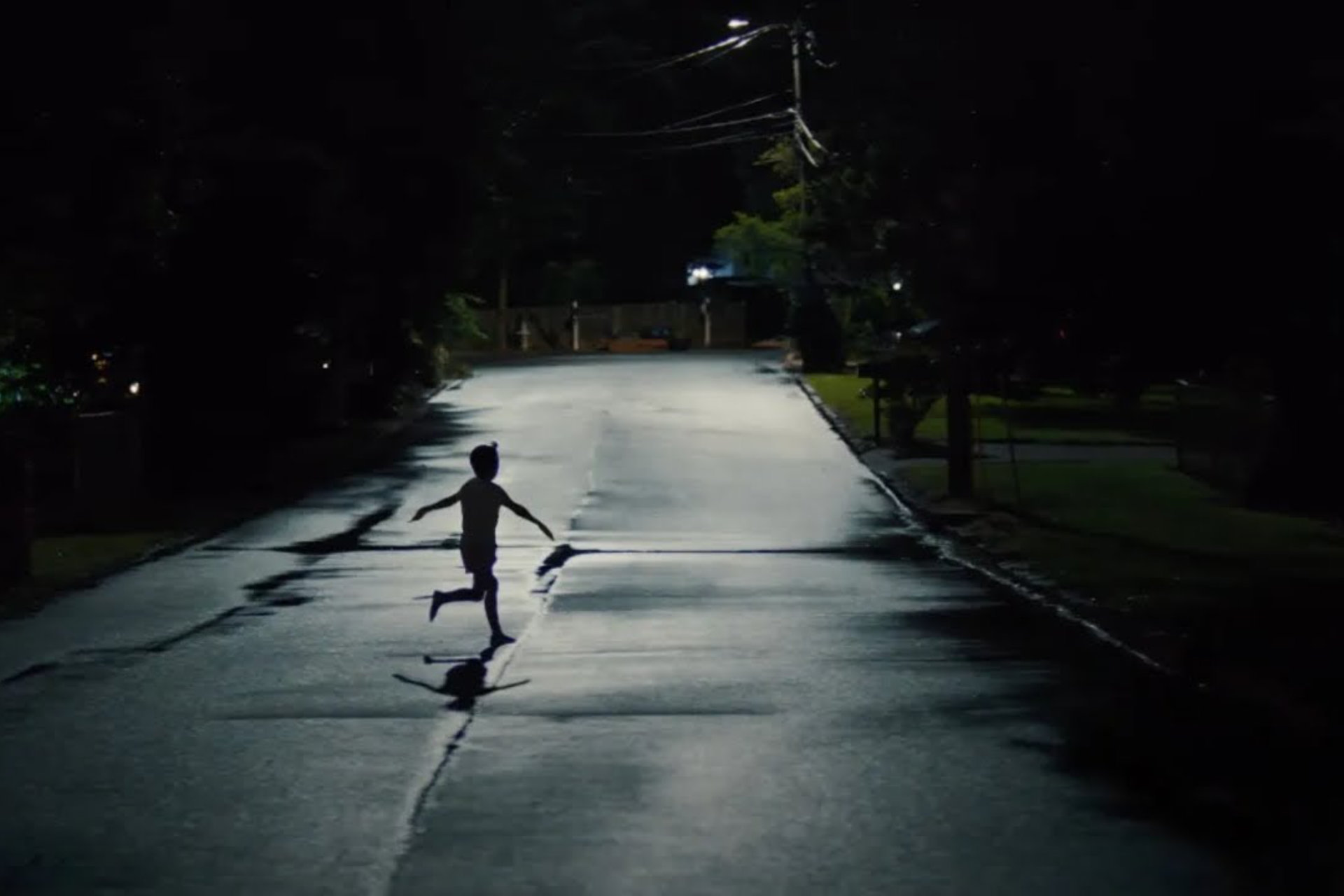
Weapons is what a contemporary Brothers Grimm might produce when asked to steep a story in the toxic brew of current culture – and, as folks behind the scenes have long joked, had they been given a copy of Magnolia to help them out. I will not delve too deeply into specifics aside from saying that the film is an assemblage of points of view of characters, each of whom has an interesting perspective on and relationship with one of those “bad miracles” that Daniel Kaluuya went off about on Nope. That cursed moment came at 2:17 one morning, when all of the children in a specific elementary school class, save one, got up and ran away from home. They all ran the same way – arms spread out, running gently – towards some unknown destination. Among our protagonists are Justine (Julia Garner), the children’s teacher; Archer (Josh Brolin), one of the parents of the missing kids; and Alex (Cary Christopher), the one kid who, for whatever reason, didn’t vanish into the night. There are others, but I’ll leave those for you to discover when you see the movie. We’ve got plenty to talk about here with just those little nuggets of information I’ve already revealed (and the ones that have been revealed to you by the movie’s advertising).
I think Cregger’s got a handle on tone that few of his peers can compete with. What I mean by that: Weapons expertly navigates the line between deathly serious/terrifying and broadly, bizarrely comic without resorting to the kind of ironic distance or austere stylization that assures the viewer that they’re watching a recognizably modern horror feature. The closest analogue that I can think of is, believe it or not, Tobe Hooper. Well, once Hooper left Leatherface behind for the first time. His Salem’s Lot (with its wider focus on a town’s supernatural mysteries) and Poltergeist (in the expert blend of character, scares, and set-pieces, as well as Hooper’s ability to film from the emotional vantage of a child). Sam Raimi came to mind as well, simply from the way he oscillates from horror to hilarity and vice versa, much like in Drag Me to Hell (one of the truly underrated masterworks of the aughts), as well as in the genuine brutality that underscores that particular film once it lands its last punchline. And, oh, what a glorious and brutal finale it is. Got-damn, how I wish I could talk about it instead of going back to the PTA well for more analysis, but you gotta see this shit untampered-with, and I’m going to respect Warner Bros. on this one (after all, they asked so nicely). But, as promised, that last Anderson comparison: What he gets right in using the Magnolia structure is how it provides perspective, builds tension/anticipation, and lets the audience participate in assembling the narrative web.
To conclude, there’ll be some people who tell you that Cregger’s movie lacks “substance” or doesn’t answer your questions or whatever, and they’re wrong. But I just want you to know that, if the movie didn’t have answers or some greater meaning (it has both), Weapons would still be getting this rave – you’d just see me going on about “vibes-based” horror or something, which is what the genre defaults to when it wants to dress up an aesthetic exercise as a populist blockbuster by using the William Castle playbook (heartrate monitors, eye-tracking software, and so on). It may not be immediately obvious — I don’t believe you’ll have to look up the etymology of the word “Weapon” to figure out exactly why it’s the title, but I can’t imagine that it’ll hurt too much — but it is there.
This isn’t like Barbarian, where the meaning isn’t exactly obvious yet… perfect, once you think about it. I think that’s where the Peele comparison, beyond the funny factoid I began with, really lies: My sympathies have always been with Us, which is an ambitious and complex work that could also be considered mealy-mouthed and meaningless by folks who like their parables didactic. If Peele extended The Dark Half to the entire nation to illustrate our divides, Cregger has synthesized the Grimms’ work into a grim study of manipulation and exploitation — a subject that never quite loses its relevance – yet maintains enough distance to allow for dozens of reads, all of which are perfect for debate at the pizza place following the screening you went to with your friends. As such, I predict the arguments over Weapons will be nearly as fun as the movie itself. Nearly.